Diagnosis
The established theoretical framework of acupuncture provides practitioners with a structured system for understanding diverse pathological patterns, which in turn forms the basis for precise diagnosis. This robust foundation allows for the clinical application of acupuncture to continually refine and advance its practices. The initial consultation is dedicated to a comprehensive diagnosis using the four pillars of traditional assessment: observation, listening, questioning, and pulse palpation. By synthesizing the findings from each of these steps, the practitioner can establish a clear pattern of imbalance. This diagnosis is the essential foundation from which a personalized treatment plan is then developed.
Treatment Tools
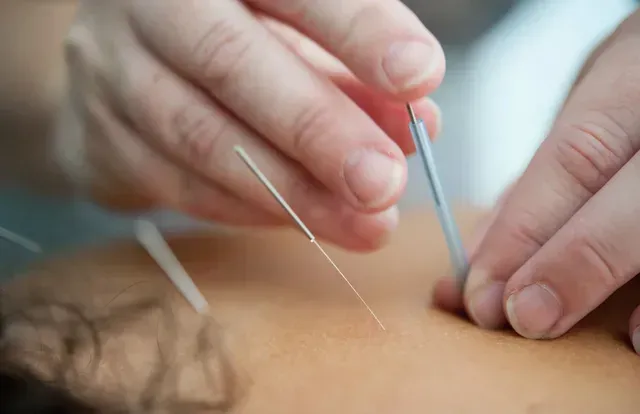
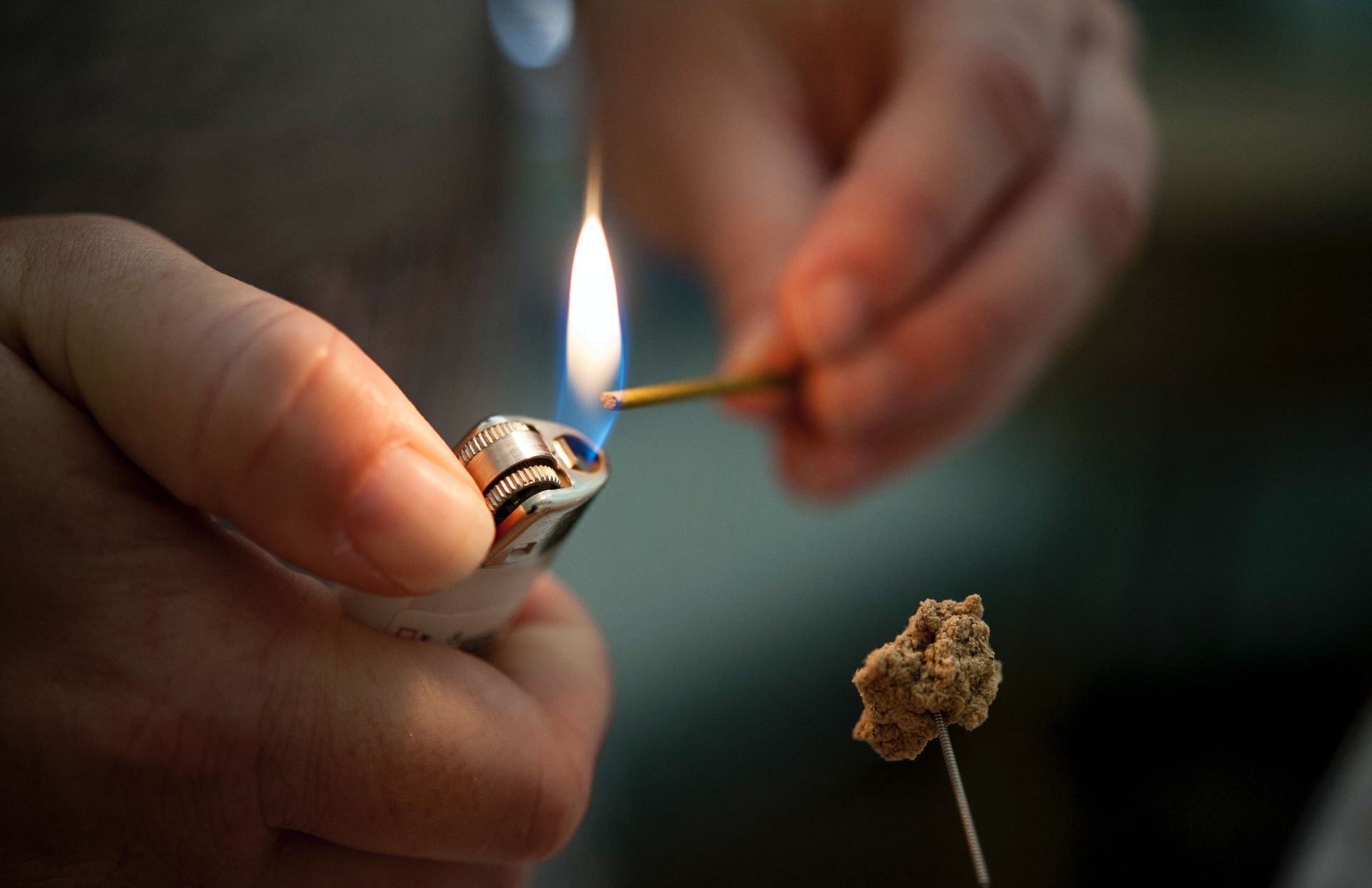
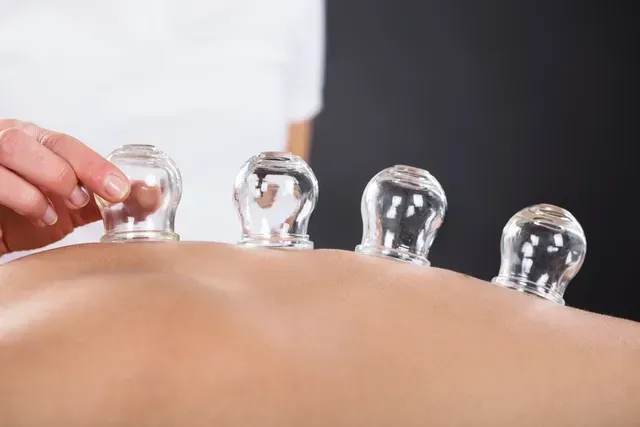
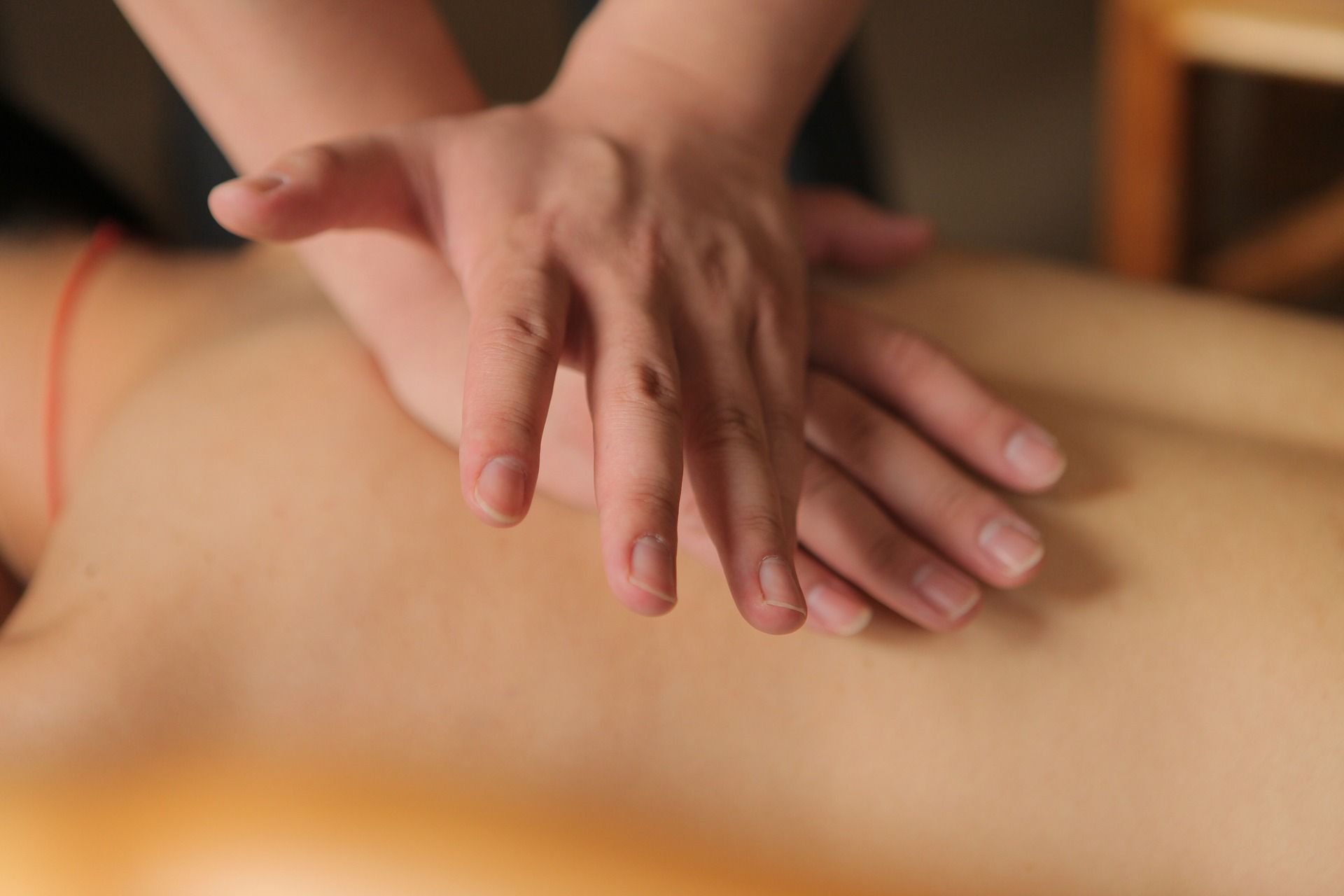
The Chinese term for acupuncture, 針灸 (zhēn jiǔ), directly translates to "needles and moxibustion," reflecting the two foundational tools of this practice. In our clinic, these primary methods are most frequently employed. However, treatment is always tailored to the individual's specific pattern of imbalance. To best support each client's needs and enhance therapeutic results, complementary techniques like cupping, gua sha, tui na, or acupressure may also be incorporated as appropriate.
Acupuncture employs hair-thin needles to gently redirect Qi along the body's meridian pathways, restoring harmony. Moxibustion offers a warming counterpoint, using smoldering mugwort to nourish circulation and dispel cold. For deeper muscular tension, cupping creates a lifting suction to release stagnation, while gua sha uses focused scraping to bring fresh blood to stagnated areas for enlivening effect. Completing the set is tuina, a dynamic massage that kneads, rolls, and presses the body's fabric, working to smooth the flow of energy and ease discomfort. Together, they provide a powerful, non-invasive toolkit for holistic healing and pain relief.